Signs of Water Damage in Your Long Island Home
Water damage doesn't always announce itself with a dramatic flood or a burst pipe. More often, the signs of water damage in your home are subtle — a faint discoloration on the ceiling, a musty smell you can't quite place, or a floor that feels slightly soft underfoot. For Long Island homeowners, where aging plumbing, coastal storms, and humid summers are part of life, catching these warning signs early can mean the difference between a simple repair and a full-scale water damage restoration project costing tens of thousands of dollars.
The reality is that water damage gets worse every hour it goes undetected. Moisture behind walls breeds mold within 24 to 48 hours, weakens structural framing, and can compromise electrical systems. This guide will walk you through the seven most common signs of water damage, explain what causes each one, and tell you exactly when it's time to call a professional restoration company.
1. Water Stains on Ceilings and Walls
Brownish or yellowish rings on your ceiling are one of the most recognizable signs of water damage. These stains form when water pools above the drywall, dissolves minerals and dirt as it seeps through, and leaves behind a visible residue as it dries. On walls, you may notice streaking patterns that follow the path of gravity, often appearing near windows, along exterior walls, or below bathrooms on upper floors.
What many homeowners don't realize is that by the time a stain is visible, the water has already saturated the material behind it. A small ceiling stain the size of a dinner plate may indicate a much larger area of wet insulation and drywall above. On Long Island, these stains frequently appear after nor'easters or heavy rain events, especially in homes with flat or low-slope roof sections where water can pool.
If the stain is dry and hasn't grown, the leak may have been a one-time event. But if it's damp to the touch, growing, or returning after you thought it was fixed, you're dealing with an active leak that requires immediate attention. Don't simply paint over water stains — the underlying moisture problem will continue to cause damage behind the fresh coat.
2. Musty or Moldy Odors
Your nose can detect water damage before your eyes can. A persistent musty smell — often described as earthy, damp, or similar to wet cardboard — is one of the earliest signs of hidden water damage. This odor comes from mold and mildew colonies that begin growing within 24 to 48 hours of moisture exposure, often behind walls, under flooring, or inside HVAC ductwork where you can't see them.
On Long Island, the combination of summer humidity and older home construction makes hidden mold growth particularly common. Homes built before the 1980s often lack modern vapor barriers, allowing moisture to migrate into wall cavities and crawl spaces more easily. If you notice a musty smell that intensifies in certain rooms or after rain, it's a strong indicator that water is getting somewhere it shouldn't be.
Don't ignore this sign. By the time you can smell mold, the colony is already established and may be affecting your indoor air quality. A professional mold remediation assessment can identify the source and scope of the problem before it spreads further.
3. Warped, Buckling, or Soft Flooring
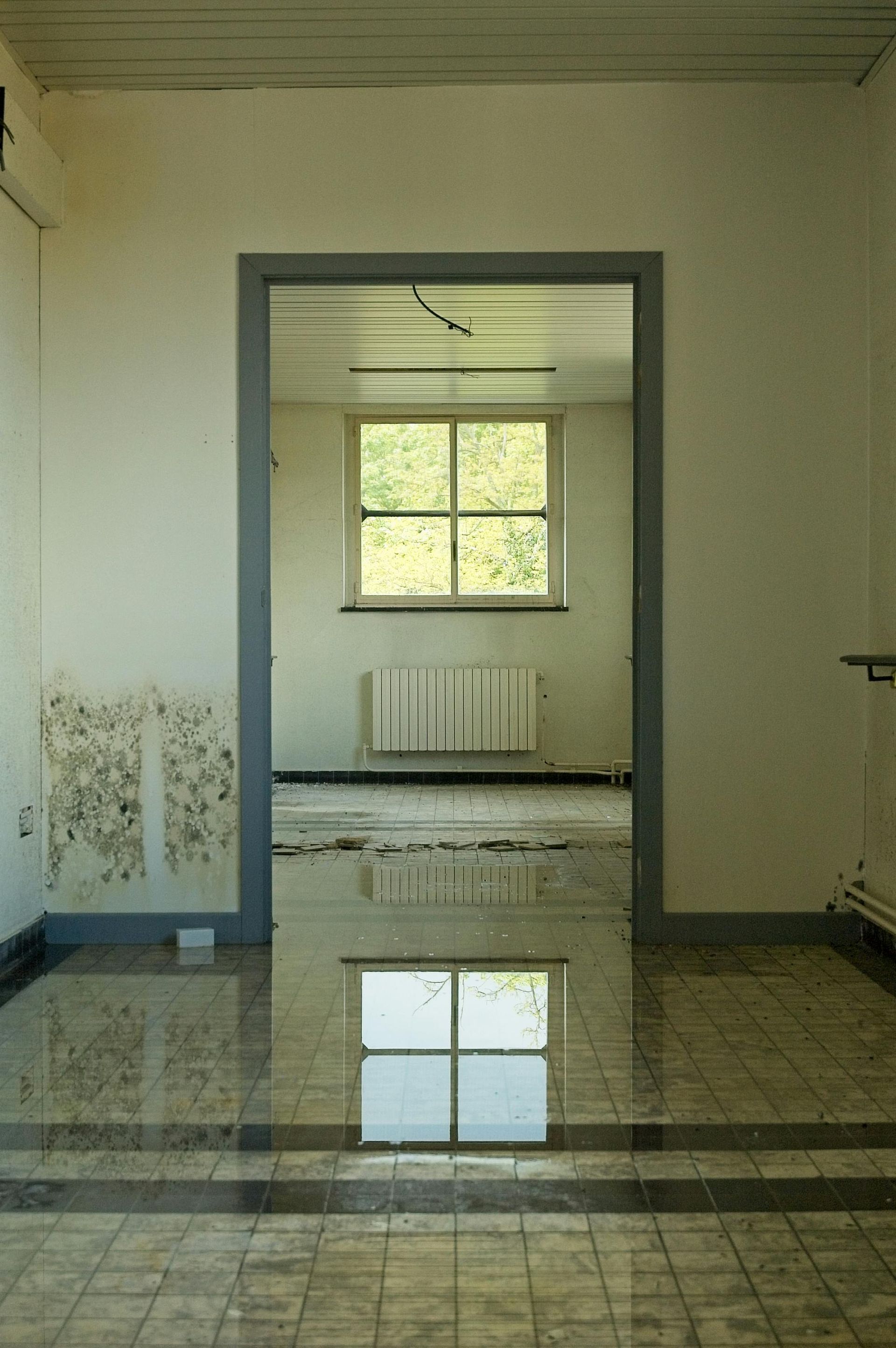
Wood floors that are cupping, buckling, or feel spongy when you walk on them are a clear sign that moisture has reached the subfloor. Hardwood planks absorb water from below, causing them to swell and push against each other. Laminate and vinyl flooring may bubble, lift at the seams, or feel uneven. Even tile floors can show signs — if grout lines are crumbling or tiles are popping loose, water underneath is the likely culprit.
For Long Island homes with basements, the most common cause is groundwater seeping up through the foundation during heavy rains or snowmelt. Homes near the coast or in low-lying areas of Nassau and Suffolk counties are especially vulnerable. Slab-on-grade homes can also experience this when the water table rises or when a plumbing leak under the slab goes undetected.
If you notice a soft spot in your floor, don't just put furniture over it. Press firmly with your foot — if the subfloor gives more than a fraction of an inch, there's likely moisture damage to the structural sheathing below. Left untreated, this leads to wood rot, which eventually requires replacing entire floor sections. The sooner you address it, the less invasive (and expensive) the repair.
4. Peeling, Bubbling, or Flaking Paint and Wallpaper
When moisture gets behind painted drywall or wallpapered surfaces, it breaks the adhesive bond and causes the finish to separate from the wall. You'll see paint bubbling outward, peeling in strips, or developing a crackled texture. Wallpaper may pull away from seams, develop dark spots, or feel damp to the touch. These are signs that water is actively migrating through the wall material.
This symptom is especially common around windows and exterior doors on Long Island homes, where driving rain can exploit gaps in caulking or deteriorated flashing. It also frequently appears on bathroom and kitchen walls where plumbing connections behind the wall may have slow leaks. If the damage is localized to one area, the source is usually nearby — check for leaking pipes, failed caulking, or condensation from poor insulation.
The fix isn't cosmetic — scraping and repainting without addressing the moisture source guarantees the problem will return. Have the underlying leak identified and repaired first, then allow the wall to fully dry before refinishing.
5. Unexplained Increase in Water Bills
A sudden spike in your water bill — or a gradual increase you can't explain through changed usage habits — often points to a hidden plumbing leak. Even a slow leak that drips once per second wastes over 3,000 gallons per year. Slab leaks, leaking supply lines inside walls, and deteriorating pipe joints are all common culprits, and they can cause significant water damage long before they're discovered visually.
To check, turn off every water-using appliance in your home and check your water meter. If it's still running, you have a leak somewhere in the system. Long Island's older housing stock — particularly homes in Levittown, Ronkonkoma, and other mid-century developments — often has original copper or galvanized steel supply lines that are approaching or past their expected lifespan. Corrosion, mineral buildup, and joint failures become increasingly common in pipes older than 40 years.
If your bill has jumped and you can't find an obvious cause, call a plumber for a pressure test and leak detection before the hidden water causes structural damage, mold growth, or a catastrophic pipe failure that requires emergency flood restoration.
6. Visible Mold Growth
While musty odors hint at hidden mold, visible mold growth is the unmistakable confirmation that you have an active moisture problem. Mold can appear as black, green, white, or gray spots or patches on walls, ceilings, grout lines, window frames, or baseboards. In basements and bathrooms, it may grow on the surface. But on main-level walls or ceilings, visible mold almost always means there's a hidden water source feeding it from behind.
Many Long Island homeowners make the mistake of treating visible mold as a surface cleaning issue — wiping it with bleach and moving on. But surface mold is usually the tip of the iceberg. If mold is growing on your drywall, the backside of that drywall likely has far more extensive colonization, and the wall cavity behind it may be contaminated as well. Simply cleaning the visible growth without removing the moisture source and addressing the hidden contamination means the mold will return within weeks.
Any mold growth larger than about 10 square feet should be handled by a professional mold remediation company. The EPA recommends professional remediation at that threshold because larger areas require containment, HEPA filtration, and proper disposal to prevent spreading spores throughout the home.
7. Foundation Cracks and Exterior Warning Signs
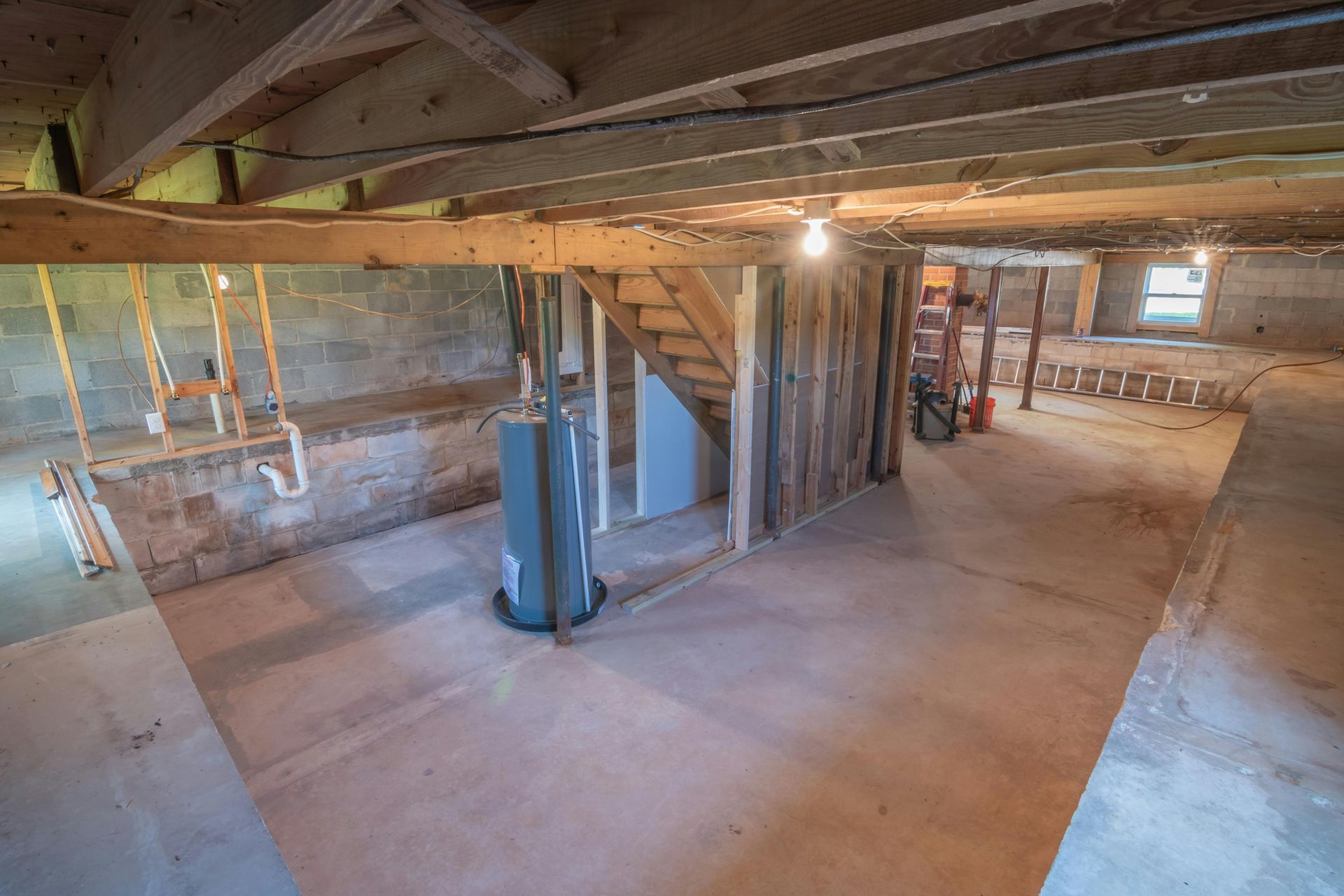
Not all signs of water damage are inside the house. Outside, look for cracks in the foundation walls (especially horizontal cracks, which indicate hydrostatic pressure from water-saturated soil pushing against the foundation), efflorescence (white mineral deposits on concrete or masonry), and soil erosion near the foundation. If your gutters are overflowing, downspouts are discharging too close to the house, or the grading around your home slopes toward the foundation rather than away from it, water is being directed exactly where it shouldn't go.
Long Island's soil composition — largely sandy in some areas and clay-heavy in others — plays a significant role. Clay soils expand when wet and can exert tremendous pressure on foundation walls. Sandy soils drain quickly but can erode and undermine footings. Both scenarios lead to foundation cracks that allow water infiltration into basements and crawl spaces, especially during spring thaw and heavy rain events that are increasingly common in the region.
Addressing exterior drainage issues is one of the most cost-effective preventive measures you can take. Extending downspouts at least 4 to 6 feet from the foundation, maintaining positive grading, and keeping gutters clean can prevent thousands of dollars in water damage restoration costs.
When to Call a Professional Restoration Company
If you've identified any of these signs in your Long Island home, the question is whether to tackle it yourself or bring in professionals. Here's the threshold: if the affected area is larger than a few square feet, if you can't identify the source, if mold is present, or if structural materials (subfloor, framing, drywall) are compromised, call a professional water damage restoration company immediately.
At American Eagle Restoration, we provide 24/7 emergency water damage restoration across Long Island, Queens, Brooklyn, and surrounding areas. Our team arrives quickly with industrial-grade extraction, dehumidification, and monitoring equipment to stop the damage from spreading, document everything for your insurance claim, and restore your property to its pre-damage condition. We work directly with all major insurance carriers to streamline the claims process.
Don't wait for a small problem to become a big one. If you've spotted any of the warning signs described in this guide, call us at (516) 557-4474 for a free assessment. The sooner you act, the more you save — in repair costs, in health risks, and in stress.

ARTICLE AUTHOR:
American Eagle Restoration
rican Eagle Restoration provides fast, effective vandalism and graffiti cleaning services. Restore your property’s appearance and protect it from future damage with our expert solutions.
Leave a Reply