Mold Removal Cost on Long Island: What to Expect
If you've discovered mold in your Long Island home, one of the first questions on your mind is probably: how much is this going to cost? The answer depends on several factors — the size of the affected area, the type of mold, where it's growing, and whether it has spread into structural materials. Mold removal cost can range from a few hundred dollars for a small, contained problem to $10,000 or more for extensive contamination that has penetrated walls, HVAC systems, and building materials.
This guide breaks down real-world mold remediation pricing for Long Island homeowners, explains what drives costs up or down, and helps you understand when insurance may cover the bill. Whether you're dealing with a small patch of bathroom mold or a major basement infestation, knowing what to expect financially puts you in a stronger position to make smart decisions.
Average Mold Removal Costs by Project Size
For a small, isolated area of mold — say under 10 square feet in a bathroom or around a window — professional removal typically costs between $500 and $1,500. This covers containment, removal of the affected material, HEPA vacuuming, antimicrobial treatment, and clearance testing. Most Long Island mold remediation companies charge within this range for straightforward surface-level jobs that don't require demolition or extensive reconstruction.
Medium-sized projects — roughly 10 to 100 square feet, such as mold behind a section of drywall, in a crawl space, or along a basement wall — generally run between $1,500 and $5,000. At this scale, the work usually involves setting up negative air pressure containment, removing and disposing of contaminated drywall and insulation, treating the underlying structure with antimicrobial agents, and performing post-remediation air quality testing. If the mold has reached framing or subflooring, costs trend toward the higher end because those materials may need to be replaced.
Large-scale remediation projects — over 100 square feet, involving multiple rooms, or affecting the HVAC system — can cost between $5,000 and $15,000 or more. These situations often occur when a water leak goes undetected for months, when a basement floods repeatedly, or when a home has been vacant and moisture problems went unchecked. The cost reflects the extensive containment, demolition, structural drying, treatment, reconstruction, and testing required. In severe cases where mold has colonized ductwork, the cost of HVAC cleaning and remediation adds another $1,000 to $3,000.
What Factors Affect the Price?
Location of the mold. Mold in an easily accessible area like an exposed basement wall costs less to remediate than mold hidden behind finished walls, inside ceiling cavities, or beneath flooring. Accessing hidden mold requires demolition, which adds labor, disposal, and reconstruction costs. Attic mold remediation tends to be more expensive due to access difficulty and the need for specialized containment in confined spaces.
Type of material affected. Mold on non-porous surfaces like tile, glass, or sealed concrete can often be cleaned in place. But mold on porous materials — drywall, carpet, insulation, ceiling tiles, fabric — almost always requires removal and replacement because the mold penetrates into the material and cannot be fully cleaned. The more porous material that needs replacing, the higher the cost.
Extent of water damage. Mold doesn't grow without moisture, so remediation often involves fixing the underlying water damage as well. If the source is a small plumbing leak, the repair is straightforward. But if the moisture source is foundation seepage, a failing roof, or chronic condensation from poor insulation, addressing the root cause adds to the overall project cost. Skipping this step guarantees the mold will return — so it's not optional.
Testing and clearance. Professional mold testing — both pre-remediation assessment and post-remediation clearance — typically adds $300 to $800 to the project. Pre-remediation testing identifies the type and concentration of mold present, which guides the remediation protocol. Post-remediation clearance testing, performed by an independent third party, confirms the work was successful and mold levels are back to normal. Many insurance companies require clearance testing before they'll close a claim.
Reconstruction. Mold remediation often involves removing building materials that then need to be replaced — new drywall, insulation, paint, flooring, trim. Some remediation companies include basic reconstruction in their pricing, while others handle only the remediation and refer out the rebuild. At American Eagle Restoration, we handle both remediation and construction, which eliminates the need for a second contractor and streamlines the timeline.
Does Insurance Cover Mold Remediation?
The short answer: it depends on what caused the mold. Most homeowners insurance policies on Long Island cover mold remediation if the mold resulted from a "covered peril" — meaning a sudden and accidental event like a burst pipe, appliance overflow, or storm damage. If your washing machine supply line fails and water saturates the wall behind it, causing mold growth, that's typically covered.
What's usually not covered is mold resulting from ongoing maintenance issues — a slow leak you knew about but didn't fix, chronic humidity in a poorly ventilated bathroom, or groundwater seepage through an unsealed foundation. Insurance companies view these as homeowner maintenance responsibilities, not sudden losses. Many New York policies also have a mold sublimit — a cap on how much they'll pay for mold-related claims, often ranging from $5,000 to $25,000 regardless of actual remediation costs.
The key is documentation. If you discover mold, document the source of moisture, photograph everything, and report the claim promptly. A professional remediation company experienced in working with insurance — like American Eagle Restoration — can help you document the damage properly, provide the detailed scope of work and estimate your adjuster needs, and navigate the claims process to maximize your coverage.
DIY vs. Professional Mold Removal
For very small areas of surface mold — under 10 square feet on non-porous surfaces like tile or sealed concrete — the EPA considers DIY cleaning acceptable. You can use a solution of detergent and water (not bleach, which doesn't kill mold on porous surfaces) and scrub the area clean. Wear an N-95 respirator, gloves, and goggles, and make sure the area is well-ventilated.
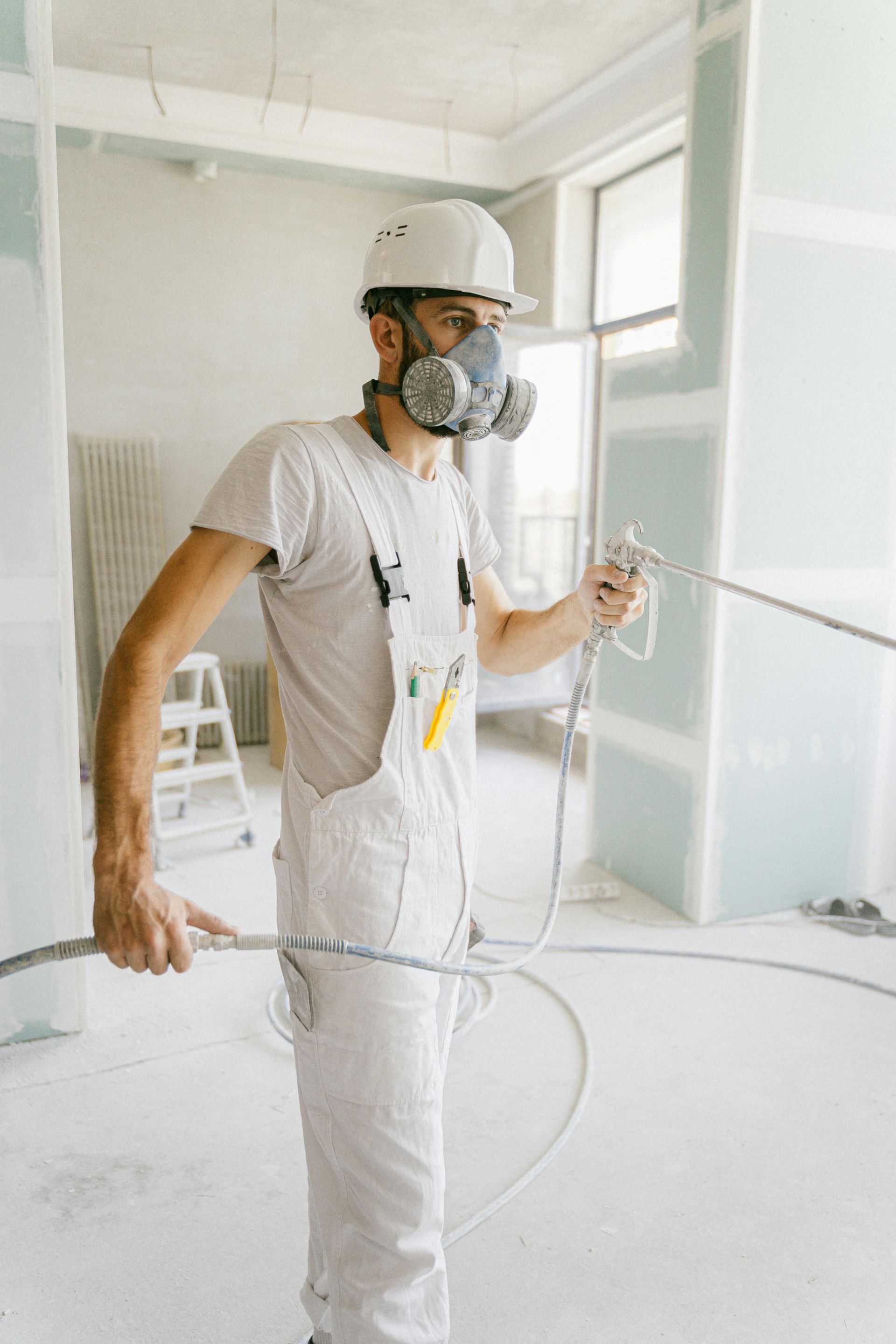
However, DIY is not appropriate when mold is growing on drywall, insulation, or wood; when the affected area exceeds 10 square feet; when mold is inside HVAC ducts; when there's a strong musty odor suggesting hidden mold; or when anyone in the household has respiratory conditions, allergies, or compromised immunity. In these situations, improper removal can actually make things worse by spreading spores throughout the home. Professional remediation includes containment barriers, HEPA air filtration, and negative air pressure — none of which are practical for a homeowner to set up.
There's also a liability consideration. If you're planning to sell your Long Island home, most buyers will want documentation of professional mold remediation with clearance testing. DIY cleanup, even if effective, doesn't come with that documentation and can become a sticking point during inspections and negotiations.
Why Long Island Homes Are Prone to Mold
Long Island's climate creates near-ideal conditions for mold growth. Humid summers with regular temperatures above 80°F and high relative humidity provide the warmth and moisture mold needs to thrive. Winter brings its own risks — condensation forms on cold surfaces when warm indoor air meets poorly insulated exterior walls, and ice dams can force water under roof shingles and into attic spaces.
The housing stock adds another layer of vulnerability. Many Long Island homes were built in the post-war building boom of the 1940s through 1960s, with construction methods and materials that didn't prioritize moisture management. Original plumbing is reaching end-of-life, basements were built without modern waterproofing, and many homes have been partially renovated over the decades — sometimes sealing in moisture problems behind new finishes.
Coastal proximity is another factor. Homes in South Shore communities, the Rockaways, and barrier beach areas deal with salt air, higher humidity, and increased flood risk. Storm surge and tidal flooding can introduce massive amounts of moisture into structures, and if not properly dried within 48 hours, mold colonization begins. This was painfully evident after Superstorm Sandy, when thousands of Long Island homes developed severe mold problems in the weeks following the storm.
Getting a Free Mold Inspection
If you suspect mold in your Long Island home, the first step is a professional assessment. At American Eagle Restoration, we offer free mold inspections that include a visual assessment of the affected area, moisture mapping to identify the water source, and a preliminary scope of work with estimated costs. We'll tell you straight whether you need professional remediation or if the situation is minor enough to handle on your own.
We serve all of Long Island — Nassau County, Suffolk County, and the surrounding boroughs including Queens and Brooklyn. Our team is certified in mold remediation, fully licensed and insured, and experienced in working with all major insurance carriers to streamline your claim. We handle both the remediation and the reconstruction, so you get one team, one timeline, and one point of contact from start to finish.
Call us at (516) 557-4474 to schedule your free inspection. The sooner you identify and address a mold problem, the less it costs — and the healthier your home will be.

ARTICLE AUTHOR:
American Eagle Restoration
rican Eagle Restoration provides fast, effective vandalism and graffiti cleaning services. Restore your property’s appearance and protect it from future damage with our expert solutions.
Leave a Reply