What to Do After Storm Damage to Your Home
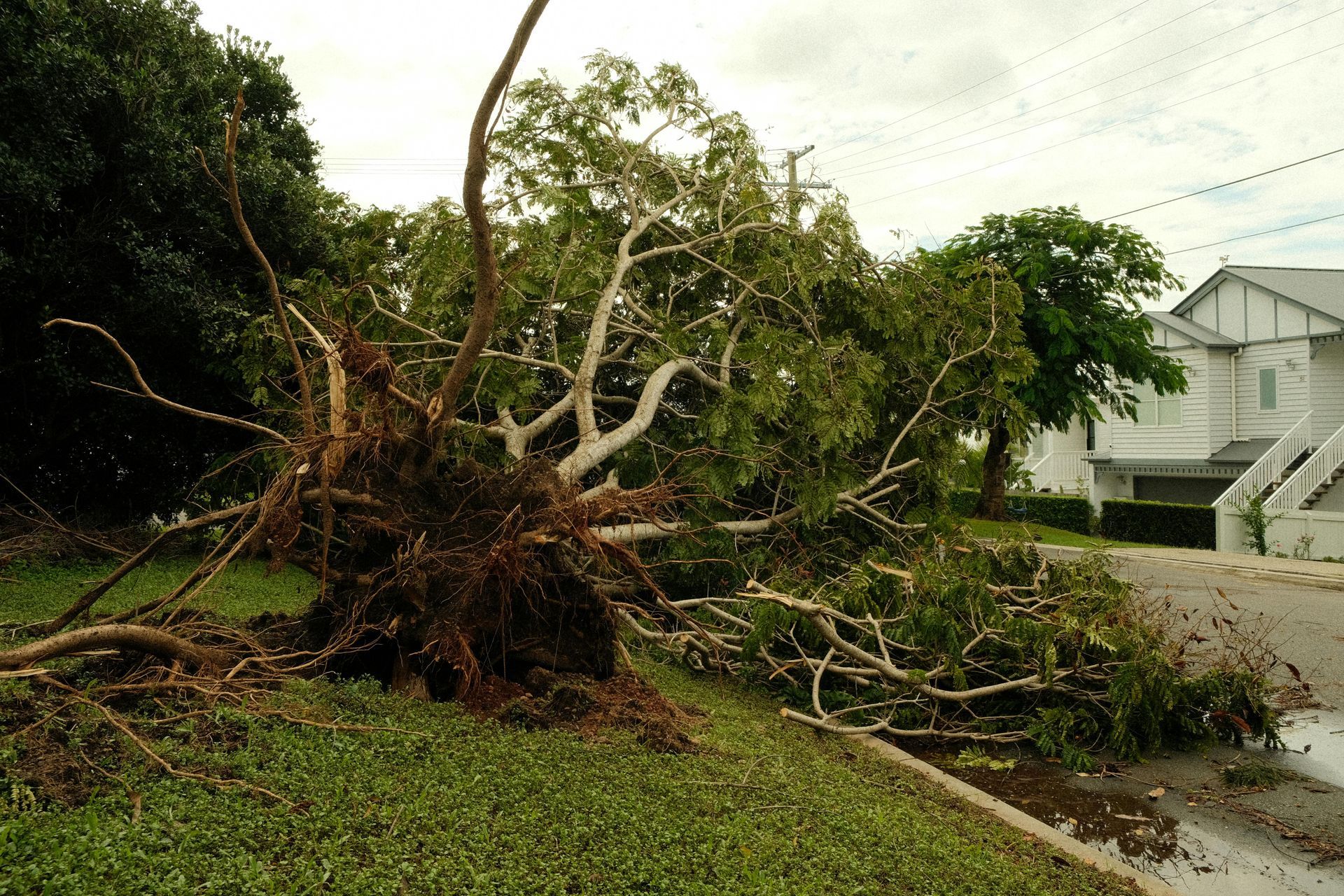
A storm just ripped through your neighborhood. Maybe a tree came down on your roof, your basement is filling with water, or wind tore siding off the side of your house. In those first chaotic hours, what you do — and what you avoid doing — can make a dramatic difference in how quickly and affordably your property recovers. This guide walks Long Island homeowners through the essential steps to take after storm damage, from ensuring your family's safety to filing your insurance claim and starting the restoration process.
Long Island is no stranger to severe weather. Nor'easters, hurricanes, tropical storms, and intense summer thunderstorms can all deliver devastating wind, rain, and flooding in a matter of hours. Whether the damage to your home is minor or catastrophic, the steps below will help you protect your property, preserve your insurance rights, and get back to normal as fast as possible.
Step 1: Ensure Everyone's Safety First
Before assessing any damage, make sure all family members and pets are safe. If there's structural damage to your home — a collapsed ceiling, leaning walls, a tree through the roof — do not enter until a professional has confirmed it's safe. Downed power lines, gas leaks, and compromised structural elements all pose immediate life-threatening hazards. If you smell gas, leave immediately and call 911 from a safe distance.
Even after the storm passes, hazards remain. Standing water may be electrically charged if it's in contact with outlets, wiring, or appliances. Wet floors are slippery, and flood water often contains sewage, chemicals, and debris that create biohazard conditions. Wear rubber boots, gloves, and eye protection if you need to move through water-damaged areas of your home. If the damage is extensive, the safest option is to stay out until professionals arrive.
For Long Island residents, local emergency management offices in Nassau and Suffolk counties can provide shelter information and safety updates after major storms. Keep a battery-powered radio or fully charged phone available for emergency alerts.
Step 2: Document Everything Before You Touch It
This step is critical for your insurance claim. Before you move debris, start cleanup, or make any repairs, document every piece of damage thoroughly. Use your phone to take photos and video of every affected area — inside and outside the home. Capture wide shots of each room, close-ups of specific damage, and photos of any damaged personal belongings. If water is standing, photograph the water level with a reference point (like a measuring tape or a piece of furniture) so the depth is clear.
Walk the exterior of your home and photograph roof damage, missing shingles, broken windows, damaged siding, fallen trees, and any debris impact. If it's safe to access the attic, check for water intrusion from above and photograph any wet insulation, staining, or daylight visible through the roof deck. Document the date and time on your photos — most phone cameras do this automatically.
Keep a written inventory of damaged items, including descriptions and estimated values. Don't throw anything away until your insurance adjuster has seen it or you've documented it thoroughly. If you must remove items for safety reasons (like waterlogged carpet that's becoming a mold hazard), photograph them first and keep samples if possible.
Step 3: Prevent Further Damage
Your insurance policy requires you to take reasonable steps to prevent additional damage — this is called "mitigation." If your roof has a hole, cover it with a tarp. If a window is broken, board it up with plywood or cover it with heavy plastic sheeting and tape. If water is entering the home, try to redirect it or contain it. These temporary measures protect your property and demonstrate to your insurer that you acted responsibly.
If your basement is flooding, do not attempt to pump it out while the surrounding ground is still saturated. Pumping too quickly can create a pressure differential that causes basement walls to crack or bow inward. Wait until the storm water has receded from around the foundation before beginning extraction. Once it's safe, removing standing water quickly is essential — water damage gets exponentially worse after the first 24 to 48 hours as mold begins to grow and structural materials start to warp and degrade.
Keep all receipts for emergency supplies — tarps, plywood, pumps, generators, hotel stays if you're displaced. These are typically reimbursable under your homeowners policy as part of your mitigation expenses.
Step 4: Contact Your Insurance Company
Report the claim as soon as possible — most policies require "prompt" notification. Call your insurance company's claims hotline (the number is on your declarations page and usually on their website) and provide a brief description of the damage. Don't speculate about costs or causes; simply describe what happened and what you've observed.
Request a claim number and write it down along with the name of the representative you spoke with. Ask about your policy's deductible (many Long Island policies have a separate, higher deductible for hurricane/named storm damage vs. standard wind/hail) and any specific documentation requirements.
An adjuster will be assigned to inspect your property. In the aftermath of a major storm, adjusters can be overwhelmed with claims, so it may take days or even weeks for an inspection. In the meantime, continue documenting damage and making temporary repairs to prevent further loss. Do not begin permanent repairs until your adjuster has inspected the property, unless doing so would result in additional damage.
Step 5: Call a Professional Storm Damage Restoration Company
While your insurance claim is in process, contact a professional storm damage repair company to begin emergency stabilization and develop a scope of work. A qualified restoration company can board up openings, extract standing water, set up structural drying equipment, and begin removing damaged materials — all of which fall under the "mitigation" obligation in your policy.
At American Eagle Restoration , we respond 24/7 to storm damage emergencies across Long Island, Queens, and Brooklyn. Our team arrives with the equipment and expertise to stabilize your property immediately — industrial water extractors, commercial dehumidifiers, air movers, and containment systems. We document everything as we work, creating the detailed scope of damage that your insurance adjuster needs to process your claim efficiently.
Choosing a restoration company that works directly with insurance carriers — rather than against them — makes the entire process smoother. We communicate directly with your adjuster, provide industry-standard estimates (using Xactimate, the same software adjusters use), and help ensure nothing falls through the cracks in your claim. We also handle the full rebuild after disaster restoration is complete, so you don't need to coordinate multiple contractors.
Step 6: Watch for Secondary Damage
Storm damage doesn't stop when the storm does. Secondary damage — problems that develop in the days and weeks after the initial event — can be just as destructive as the storm itself if left unchecked. The biggest threat is mold. Any area of your home that was exposed to water and not completely dried within 48 hours is at risk for mold growth. This includes behind drywall, under flooring, inside wall cavities, and in HVAC ductwork.
Other secondary damage to watch for includes electrical system corrosion from water exposure, wood rot in structural framing that was soaked but not properly dried, foundation shifting from soil saturation, and pest infestations (insects and rodents are attracted to damaged structures with easy access points). Professional restoration companies use moisture meters and thermal imaging to identify hidden moisture pockets that homeowners would miss, preventing these secondary problems from developing.
If you notice a musty smell developing in any area of your home after a storm, don't ignore it. That's mold beginning to colonize, and it should be addressed immediately before it spreads.
Long Island Storm Preparedness: Reduce Future Risk
While you can't prevent storms, you can significantly reduce the damage they cause. Keep trees trimmed away from your home — dead branches and trees with compromised root systems are the most common source of structural storm damage on Long Island. Clean gutters and downspouts regularly, and extend downspouts at least 4 to 6 feet away from your foundation. Install a battery backup sump pump if your basement has a sump pit — when the power goes out during a storm, your primary sump pump fails exactly when you need it most.
Consider upgrading to impact-resistant roofing materials when it's time to replace your roof, and have a roofer inspect your roof annually for loose or damaged shingles, deteriorated flashing, and cracked pipe boots. These small vulnerabilities become major entry points for water during high winds and heavy rain. A few hundred dollars in preventive maintenance can prevent thousands in storm damage restoration costs.
Keep a go-bag ready with insurance documents, a copy of your home inventory, emergency contacts, flashlights, batteries, and basic first aid supplies. Being prepared doesn't prevent the storm, but it makes the aftermath far more manageable.
Get Emergency Help Now
If your Long Island home has been damaged by a storm and you need immediate assistance, call American Eagle Restoration at (516) 557-4474 . We're available 24/7, respond rapidly to emergencies across Nassau County, Suffolk County, Queens, and Brooklyn, and work with all major insurance carriers. From emergency tarping and water extraction to full structural repair and rebuild, we handle every step of the recovery process so you can focus on your family.

ARTICLE AUTHOR:
American Eagle Restoration
rican Eagle Restoration provides fast, effective vandalism and graffiti cleaning services. Restore your property’s appearance and protect it from future damage with our expert solutions.
Leave a Reply